




Moving towards
happiness
How regular exercise and getting a good night’s sleep can improve your physical and mental health.
Exercise and movement are obviously great for our physical health, but they can also make a significant difference to our mental health. Studies have shown that exercise helps us cope with stress and reduces anxiety, partly due to the distraction — which can help us refocus or reappraise our circumstances.
Movement can create a ‘buffer’ to combat the negative emotions and help us regulate our moods. So, a short-term benefit is feeling more positive and long-term, leads to higher levels of happiness.
In short — people who exercise more are happier.
You don’t have to be a fitness fanatic or gym junkie either. You just need to find the right level of movement for you. If possible, get involved in group activities with likeminded people to keep you motivated. If you’re currently doing our Movement Challenge, you’ll know how much fun that can be.
Are you moving enough?
It’s recommended that adults should be active most days, ideally every day. Each week, we should do either:
- 2.5 to 5 hours of moderate intensity physical activity (brisk walk, golf, lawnmowing, or swimming),
- 1.25 to 2.5 hours of vigorous intensity physical activity (jogging, aerobics, fast cycling, soccer or netball),
- or, an equivalent combination of moderate and vigorous activities.
It’s also preferable to include muscle-strengthening as part of your daily physical activity on at least 2 days a week. Such as:
- push-ups
- pull-ups
- squats or lunges
- lifting weights
- household tasks involving lifting, carrying or digging
Only do what feels right for you
Doing any type of movement is better than doing none. If you don’t do any physical activity right now, don’t push yourself into anything too challenging. Start slow, see how your body reacts, and slowly increase your activity to the recommended daily amount.
Moving every day
Our physical activity doesn’t always have to be structured. Sometimes, just making a few small changes to our daily routine can make a huge difference.
- For shorter trips, leave the car and walk or bike-ride.
- Swap the lift or escalator for the stairs.
- If you take the bus, get off one stop earlier and walk.
- If you drive, park away from your destination and walk.
- Walk to a nearby park to eat your lunch.
The power of sleep
Movement is just one of the elements that can increase your physical and mental health. Two other highly important factors are your diet and sleep quality. We’ve covered diet extensively here, here, here and here. So, today, let’s focus more on sleep.
When we’re busy running a household, stressed or anxious, or even distracted by binge-watching, we often neglect the importance of a good night’s sleep. Even though getting the right quality and quantity of sleep is an essential function that allows our body and mind to rest and recharge, we often don’t prioritise it.
Here are just some of the benefits.
- Lower risk of weight gain
- Stronger immunity
- Better memory and decision making
- More energy
- Improved concentration and alertness
- Lower risk of heart disease and stroke
- Better social and emotional intelligence
- Greater creativity
Consider these facts.
- We need around 7-9 hours of sleep a night, every night.
- More than 30% of adults have poor sleep patterns that lead to fatigue and irritability.
- If you regularly sleep less than five hours each night, you’re at greater risk of longer-term mental health issues.
If you’re having trouble sleeping, it’s important to seek advice or support. Without the right amount of sleep your health will suffer.
March 13th is World Sleep Day, so you can mark the occasion by making changes to your sleep habits.
A happy celebration
March 20th is the International Day of Happiness and is a great day to remind yourself of the simple and effective ways to improve your mental health — maybe starting with a few changes to how you much you move and sleep.
[1] Effect of exercise on life satisfaction and happiness
[2] Being active
Something on your mind?
If you require counselling, coaching or support, our clinicians are available to help.
Call, chat or request an appointment online.
Looking for more resources?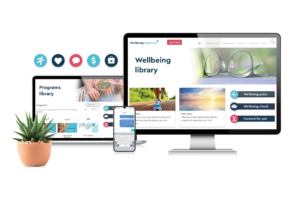
Register for Wellbeing Gateway. Your personalised mental health and wellbeing companion.