




Sleep smarter, live better.
Why looking after your sleep, is essential to looking after yourself.
If you want to look after yourself, you have to look after your sleep. Along with a good diet and regular exercise, it’s the foundation for feeling better and living better. And while you might have to be disciplined and watch what you eat, or dig up a bit of extra motivation to keep the exercise up, all you have to do to sleep well is get to bed on time and sleep for around eight hours.
Unfortunately, we all know it’s not as easy as it sounds. Life can get busy and stressful. Getting to bed late, waking up early and having a sleep that’s anything but restful becomes the norm.
In fact around two-thirds of people say they don’t get the recommended seven or more hours of sleep a night. Which is surprising when you consider how great you feel after a good night’s sleep. And for good reason. Sleep is when our bodies recover and can physically repair themselves. It’s good for your health and helps you feel calm and energised for the day ahead
There’s not a lot that good sleep can’t help with. It can influence your mood, memory, concentration, energy levels, decision-making and how well you cope with everyday challenges. Getting enough sleep also supports your immune system, helps regulate appetite, and can make it easier to stay active and eat well.
In short, when you sleep better, you feel better and that, ultimately, helps you live better.
How to build a healthy sleep routine.
Most of us need around seven to nine hours of sleep each night, but just as important as the number of hours is the quality and consistency of that sleep.
And as we understand more about the importance of good sleep to our general wellbeing, we are learning more about how healthy sleep habits can improve the quality and consistency of our sleep.
It starts with setting and sticking to a regular bedtime and creating your own routine that helps you get to sleep and sleep well.
Good sleep hygiene.
If the key to living well is sleeping well, then you’re in luck. You can improve your sleep by creating a bedtime routine and adopting some good habits.
Keep a regular sleep pattern.
Try to go to bed and wake up at the same time everyday to get your body’s rhythms into sync.
Turn the lights down.
Your body knows that when the light gets less, nighttime, and therefore bedtime is coming. Keeping the lights low in the evening, stimulates your body’s melatonin production, the hormone that prepares your brain for sleep.
Stop the after dinner snacks.
Eating raises your body temperature, which isn’t good for falling asleep. Try and stop eating around three hours before your bed time.
Put the cuppa down.
It’s a good idea to drop your evening cup of coffee or tea. You become more sensitive to caffeine as you get older, so maybe stick to a morning coffee hit. Also, limit your alcohol as this is known to contribute to poor sleeps.
Take a bath.
A warm ten-minute bath is very relaxing, just remember that a raised body temperature isn’t as good for getting to sleep, so give your body time to cool down.
Make a To Do list.
Make a list of things you need to do the next day so you don’t wake up in the middle of the night because you suddenly remember something you have to get done.
Switch off the screens.
Turn off the TV, and read a book in bed rather than screens. TV and phone use stimulate your brain and delay sleep.
Turn on the music.
Instead of screens, put on some music to help you get to sleep and stay asleep longer. Chilled music at about 60-80 beats per minute is considered ideal.
Make your room a sleep space.
Use thick curtains to keep it dark and keep it cool, as this helps you sleep better. Recharge your phones in another room, use earplugs if it’s noisy, and make sure your bed and bedding are as comfortable as possible.
Once you make these simple habits part of your evening routine, there’s a good chance you’ll get better sleeps, and most importantly, you’ll feel better. Remember, the aim is seven to eight hours solid slumber. If you can get that, you should help you feel healthier and happier.
Something on your mind?
If you require counselling, coaching or support, our clinicians are available to help.
Call, chat or request an appointment online.
Looking for more resources?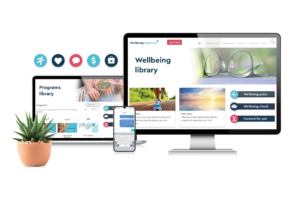
Register for Wellbeing Gateway. Your personalised mental health and wellbeing companion.