


So, it’s a good time to refocus on yourself and practice some self-care.
We know the negative effects stress has on our minds, bodies, and even relationships — so it’s important, especially this time of year, to maintain energy, build resilience and look after your wellbeing.
What do we mean by self-care?
Any activity that deliberately benefits your mental, emotional, and physical health. It’s not really about pampering — it’s about making positive choices that help you get through challenging times and feel better about yourself.
Small actions; big difference.
You don’t have to dramatically change your lifestyle; you just need to be aware of your choices and make time to do things that benefit your wellbeing.
Here are a few tips.
- Try breathing exercises — they activate your parasympathetic nervous system, reducing stress hormones and can help calm your mind.
- Get moving — physical movement releases endorphins, can boost your mood, and improve sleep.
- Stay connected — social connection is a main factor of our happiness, in person is great, but a phone call or message works too.
- Set boundaries — knowing what to say no to is important, it helps prevent burnout and preserves your energy for what matters most.
- Mindfulness practices are linked to lower anxiety and improved focus. Slow down and take the time to experience your environment with all your senses. Live in the moment, and importantly, treat yourself like you would treat a good friend.
Lose your excuses
When we’re busy, especially with work and family commitments during December, it can be easy to put yourself last. But your wellbeing impacts everyone around you, so it’s beneficial to the other people in your life to take care of you, too.
- “I don’t have time.” — you don’t have to put aside a whole day, or even hours; micro-actions (sometimes as short as just 2-5 minutes) can be effective.
- “It seems like I’m being selfish.” — as the saying goes, you can’t pour from an empty cup; taking care of you helps you take care of others.
- “It’s hard to remember.” — this is an easy solve; just set reminders, use your phone, diary or calendar.
Self-care for leaders
If you manage a team of any size, you probably see the impact December has on their general wellbeing. Luckily, there are some simple, practical tips to help them through.
Show them how it’s done
Start with yourself. Make sure your staff see you take breaks, set boundaries, and talk openly about self-care — when you do, it gives them permission to do the same. Research shows that employees are more likely to practice healthy behaviours when they see their leaders doing them.
- Share your self-care strategies — informally, in the kitchen or over a casual chat, or in team meetings.
- Take proper breaks and encourage staff to do the same — let them know there are boundaries they can set.
- If one of your staff members prioritises their wellbeing through any act of self-care — celebrate it as a strength.
Work in some workday self-care
People often feel like they don’t have time for self-care at work. You can let them know it’s not only acceptable but encouraged. You can find ways to build it into team culture and make it part of your daily routine.
- At the start of meetings, you can schedule short wellbeing check-ins — ask people what they’ve been doing for themselves and offer suggestions.
- Offer flexible work arrangements where possible and let your staff know they can fit self-care into their day.
- Share resources and reminders about available support services (like EAP or Wellbeing Gateway).
Something on your mind?
If you require counselling, coaching or support, our clinicians are available to help.
Call, chat or request an appointment online.
Looking for more resources?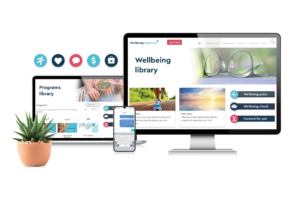
Register for Wellbeing Gateway. Your personalised mental health and wellbeing companion.