


Men’s health is shaped by many factors, such as workload, stress, family responsibilities, physical wellbeing and the expectations men often place on themselves. Yet men are still more likely to delay seeking help, even when the signs of strain are clear.
Why work matters to men’s health
For many men, work plays a central role in who they are and what they are about. But it can also become a source of pressure, leading to stress. When this stress starts to become ‘too much’ or physical health slips, performance, decision-making, and relationships are often the first places the cracks appear. So creating a culture and workplace environment that supports men’s wellbeing isn’t just good for the person, it strengthens teams, reduces risk, and improves long-term retention. So what’s good for the people is good for the business.
Research tells us that men are less likely to seek help until symptoms become more serious, particularly around mental health, stress and work-life imbalance. One thing we can all do is encourage people to talk sooner, before things escalate, to improve outcomes for both employees and workplaces.
It’s also important to look out for others and yourself to know if someone is struggling. Here are some signs.
What you might be noticing
You might not always recognise stress or strain in yourself or others straight away. It can show up in different ways, including:
- Feeling tired even when you’re getting enough sleep.
- Getting irritable or losing patience quickly.
- Finding it harder to concentrate.
- Eating on the run or skipping meals.
- Avoiding social plans because you feel drained.
- Noticing small aches or pains but brushing them off.
If any of this sounds familiar, it’s worth paying attention to it or discussing it with someone you trust.
Simple steps that help
Improving your wellbeing doesn’t have to be complicated. Start with small, steady changes that support your physical and mental health.
Check in with yourself
Take a moment each day to ask how you’re going. Not how you should be going, but how you actually feel. Naming stress, weariness or depression is the first step toward managing it.
Talk to someone you trust
You don’t need to carry everything on your own. A problem shared is a problem halved. Having a short conversation with a friend, partner, or colleague can make things feel lighter and clearer.
Prioritise time away from work
Your energy matters. If you’re always switched on, your body and mind don’t get the recovery they need. Taking proper breaks, stepping outside, doing what relaxes you, or leaving work at a reasonable time can help reset your system.
Stay active in ways that fit your life
You don’t need a strict routine. Choose something that feels doable. A walk at lunch, stretching in the morning, or kicking a ball with the kids all count.
Keep up with your health checks
Booking a GP appointment isn’t a sign of weakness. It’s a practical way to stay ahead of problems – catch them early – instead of reacting when they become bigger.
Remember, you’re allowed to ask for support
Looking after your wellbeing gives you more capacity for work, family, and the things that matter most. If you feel like you could use some extra support, you don’t have to wait.
Something on your mind?
If you require counselling, coaching or support, our clinicians are available to help.
Call, chat or request an appointment online.
Looking for more resources?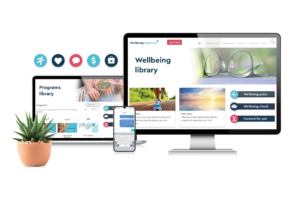
Register for Wellbeing Gateway. Your personalised mental health and wellbeing companion.