


According to a recent report from Assure, workplace loneliness is widespread and is having a negative impact on businesses and employees. We know from the report, you don’t have to be alone to feel lonely, and even people who are surrounded by colleagues experience feelings of isolation and disconnection.
We also know the feelings of isolation aren’t limited to the workplace; often, they cross over into our personal lives, so the impact can become profound if not addressed.
To get some perspective on why this is happening, and what we can do to address it, we spoke with Bharati Susarla, Clinical Manager at Assure. She explains what causes loneliness;
“The feeling of loneliness comes from not feeling heard, seen or understood; from feeling like you don’t belong; from feelings of low self-worth”.
How can we tell is someone is feeling isolated?
Before we explore some of the ways to deal with loneliness, let’s look at how we recognise the signs in ourselves or others. These are just some of the early warning signs someone might be affected by loneliness or disconnection.
- being withdrawn, especially if it is uncharacteristic
- not proactively engaging when in a group
- appearing to be disconnected with the general flow of conversation
- constantly comparing themselves to others unfavourably
- acting disinterested
- being absent more than normal
And here are some of the behaviours associated with feelings of isolation.
- sudden withdrawals
- slow, delayed, or no responses to communication attempts
- decreased social activity
- low engagement or participation in meetings
- appearing to be distracted
- low mood, flat presentation
How do we build stronger connections?
Here are some practical and simple things you can try, to help create better connections in the workplace.
- proactively engage by showing an interest
- accept invitations to group outings or team activities (even just having lunch together)
- invite someone to join you for a coffee — accept a coffee invitation if offered
- join an interest group and learn something new
Bharati also has advice for those who find social interaction difficult.
“Volunteer in something of interest, that you’re passionate about. This way, you ‘re doing something you love and slowly learning to engage with people you share a common interest with”
Plus, she recommends joining an interest group, so you can take part in activities you love doing and slowly start building connections with others in your own time, on your own terms.
Other things you can focus on include:
- deciding what’s important for you — in relationships, values, interests, and work
- seeking support — with a therapist, or someone you trust (EAP, family member, or friend)
- writing a journal — helps you become aware of what you’re really feeling
- identifying your interests — and finding ways to engage in related activities
What can you do, if you notice someone becoming withdrawn or disconnected?
Bharati stresses the importance of not judging people or making assumptions about their feelings or circumstances. What we see on the surface might not represent the reality of how someone is feeling. Some people may seem engaged and socially active but feel deeply lonely inside. Here are a few more tips that could help.
- reach out — the simple act of asking if someone’s ok, can mean a lot
- listen — you don’t have offer advice, but give them the space to talk openly
- invite them — to join you and/or your team for a coffee, team lunch, etc.
- provide information — if you think it will be received well, on where they can get more support (EAP, GP, therapist)
How can leaders help improve workplace culture to support those who feel isolated?
Physical space — pay attention to how your office is laid out. Is it set-up in a way that fosters engagement? Could the seating arrangement be improved? What about the kitchen, or coffee areas, are they conducive to relaxed conversation?
Team exercises — don’t underestimate the power of social team building activities. They can help build a psychologically safe team culture, plus it’s a chance to celebrate team achievements and individuals’ contributions.
Regular check-ins — always keep checking in, with the intent to listen and follow-up if something doesn’t feel right.
Reaching out.
Family, friends, and colleagues can all help in different ways, and if you have an effective EAP (like Assure’s Wellbeing Gateway) you can access confidential, expert support anytime.
Something on your mind?
If you require counselling, coaching or support, our clinicians are available to help.
Call, chat or request an appointment online.
Looking for more resources?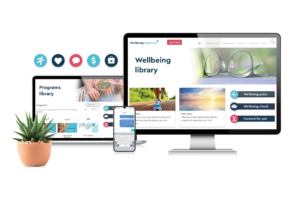
Register for Wellbeing Gateway. Your personalised mental health and wellbeing companion.