




How maintaining meaningful connections helps improve performance
Any day can be R U OK Day; the benefits of prioritising workplace wellbeing?
As a leader you have the opportunity to shape your workplace culture to normalise checking in with each other, and build a positive, supportive environment where people can thrive. Consistent check-ins with your staff can make a world of difference to their wellbeing, your workplace culture and overall performance.
Most of us are aware of R U OK Day, and what it represents, but it’s worth highlighting why it’s so important to look out for the wellbeing of others and engage in proactive conversations. You can help improve someone’s outlook by showing them you care, through empathy and active listening — so it’s worth learning some techniques for starting conversations, and building confidence to check in on colleagues, loved-ones, or friends.
You don’t have to be an expert to show support for someone, but to make sure your interactions are positive and well-received, there are some factors to be aware of. So, to help navigate the best approaches we asked the experts; Kristen Orazi, clinical manager at Assure, and Nessie Srouji, an experienced counsellor at Assure.
When it comes to R U OK Day, Nessie emphasises the main the idea behind it, is having the ability to let someone know you notice them, and to offer an invitation to connect. The question, ‘Are you OK’? is the way in, to build a genuine connection, to show you’re open to be a support.
“Then, it’s about knowing what to do and feeling confident about what to do if the response is actually, no, I’m not”.
It’s not about having all the answers.
By being supportive of someone in your team, helping them feel comfortable about sharing and listening to them with empathy, you’re already helping them, so don’t feel any pressure to solve problems or find solutions.
As Kristen notes, “Be the observer, not the fixer”.
What are the signs someone might need support?
Some people are better at hiding their true feelings than others, but there are usually some signs you might be able to pick up on. Such as their decline in productivity, their performance not being up to usual standard, calling in sick, being irritable out of character, displaying lethargy and generally not behaving as they normally would. “If you are really worried about someone, listen to your intuition”-
When is it appropriate to start personal conversations with your staff?
Nessie recommends acting quickly if you see signs of someone struggling, “As soon as you notice someone isolating, or not connecting, try and address it”. And it doesn’t have to be a formalised meeting, as that can create resistance — it can be as simple as ‘I’ve noticed a change, can I be of any help?’
However, not everyone is willing to engage. If you start talking to someone and sense resistance, or defensiveness, don’t push them to open up. Nessie suggests, “Stay calm, defensiveness is a protective mechanism, it’s not an attack. Then divert the conversation, let them know you’re here to talk, and that you’ve opened the door”.
Establishing appropriate boundaries.
Be aware of ‘trauma bonding’ (bringing up your own issues) and check in with yourself, are you emotionally able to hear what they’re saying? If not, you can be honest and offer to call a professional together.
“It’s ok to feel ill equipped and to show your vulnerability”- Nessie.
Listening to someone and ‘walking in their shoes’ as an act of empathy can have an impact on your mental health.
“When we do that, we trigger the same part of our central nervous system that releases the same stress hormones as the person going through it”
Nessie suggests acknowledging how hard it is for them, as a way of shifting the focus back to compassion and empathy.
How to create an environment where people feel comfortable speaking honestly.
Nessie again, “Normalise speaking about mental health and constantly checking in. Model vulnerability, show your team it’s ok to not be ok — that there’s no guilt or shame”. Plus, you can organise group workshops, training sessions, and roundtable conversations. You can even request specific presentations, online or in person, through Assure.
When you normalise talking openly about mental health and build trust with your colleagues, it becomes easier to check in with each other, as people feel more comfortable sharing their feelings. If you foster an environment that encourages your employees to prioritise their wellbeing, and you actively promote mental health care, you’re helping your team perform at their best.
Something on your mind?
If you require counselling, coaching or support, our clinicians are available to help.
Call, chat or request an appointment online.
Looking for more resources?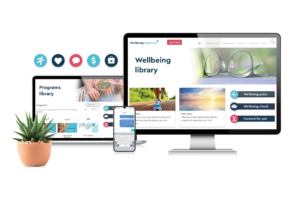
Register for Wellbeing Gateway. Your personalised mental health and wellbeing companion.