




Preventing burnout at work: how leaders can recognise the signs and support their teams
Why burnout matters for your team
Going through periods of being stressed about trying to ‘get it all done’ is normal for many of us, but we should never normalise working to the point of burning out. The repercussions are profound and lasting. A better approach is to learn how to recognise the signs and take action to prevent reaching that point. As a leader, you can support your staff by being aware of the signs (in your people and yourself) and by being able to offer the right support and advice.
Giovanna Hammond, an Immediate Response Consultant from the Critical Incident and Trauma team at Assure, speaks to people every day facing the challenges of work and life pressures. To help you, and your staff, avoid potential burnout we’re sharing some of her insights here.
Firstly, she looks at how we can notice the initial signs of danger.
Recognising the warning signs
Giovanna talks about the importance of being present, of catching ourselves when our behaviours change, and recognising when we might be starting to slide into burnout territory.
“Learn how you work. Look for changes in the way you normally feel, changes in behaviours, changes in the way you normally operate. It’s about reconnecting with your senses, to the present moment”
Knowing how you usually feel and react to everyday situations is critical, as often, when we’re busy, we switch to ‘auto-pilot’ mode and tend not to be as self-aware as we should be.
“When people are waking up in the morning feeling ‘different’ to how they normally feel. This is a good first sign. Where everything seems harder than usual and a person is struggling to make sense of why they are not feeling okay”
Common signs of burnout can include:
- Feeling different — you don’t feel quite right, but don’t know why
- Changing habits — eating and sleeping patterns become disrupted/irregular
- Mood swings — trouble regulating your behaviour, being more argumentative
- Social changes — becoming more isolated, or overly clingy
- Diminished coping ability — normal tasks start to feel overwhelming
- Memory and concentration issues — struggling to recall information or conversations
The risks of ‘pushing through’
One trap some people are tempted to fall into, according to Giovanna, is thinking you’ll ‘just get through it’ and ‘rest once it’s done’, but that’s not how recovery works.
“People often think they can just ‘get over it’. But in actual fact, it can take weeks or months to recover from burnout. Some people take a day or two off, but don’t make the leave ‘good quality’ time off, so they return to work feeling the same”
Building resilience in the workplace
A safer approach is to build resilience.
“Resilience is our capacity to cope with difficult situations, bounce back from setbacks, and continue moving forward. How you get through difficult situations and moments.”
This capacity to assess your current state of mind and use strategies to keep yourself on track is critical. For example, being able to realise when you’re in survival mode.
“Survival mode is when your brain is operating in the past and future, and you are not in the present moment. When you are soldiering-on, feeling disconnected to the task at hand. When a person’s mind, body and soul are not connected and the senses have left their bodies”
Practical ways to help prevent burnout
We all cope differently when faced with stressful or challenging circumstances — some of the tips below might work better than others — so it’s important to find out what works best for you and for those you manage.
- Eat well — to function properly we need energy, and for that, our body needs nutrition
- Stay hydrated — help your body work the way it needs to
- Exercise — gives you the natural ‘happy’ hormone and decreases cortisol levels
- Stay connected — meet with (or talk to) loved ones who can support you through tough times
- Hobbies — do things that bring you joy, soothe your soul and relax your mind
- Nature bathing — spend time with the sounds, colours and smells of nature to help you stay grounded
Be aware of what you can and can’t control
It’s helpful to remember there are some things you cannot change. One technique to keep perspective, is to visualise the difference — like having two columns of what you can and can’t control. It’s a good way to organise your brain and help you prioritise, especially if you’re a visual thinker.
“You’re…exporting what is ‘noise’ in your brain and organising your thoughts. Look at what you can do to manage a situation, baby steps and tick them off. And cross off the list things you can’t do anything about. Try to push the things you can’t control aside and only focus on the things you can control”.
What should you be looking out for, as a leader?
Start with the basics, like being fully aware of workloads.
“Leaders sometimes underestimate the amount of work a staff member is being asked to do in one day and how much time each task can take. They can underestimate the energy it can take to complete tasks and the mental, physical and emotional impact of what they are asking of their staff”
Of course, this works best when your staff are able to communicate effectively, and regularly, about whatever pressures they may be feeling.
“Staff must communicate at all times with their managers around this. But it’s vital for managers to check in with their staff too, to see how they are going and help them with time management”.
Other ways you can support your people
- Check workloads — ensure the workload you ask of staff is reasonable and doable
- Individual check-ins — meet with all staff members individually, to acknowledge their efforts and emotions
- Time management support — help your staff with time management where needed
- Positive reinforcement — make staff feel valued by noticing the great work they’re doing, and provide feedback with ways to improve where needed
- Give them a voice — ask staff members for their thoughts and opinions and make them feel like their expertise on decisions matters
- Reinforce self-care — fun incentives, staff activities and modelling your own behavior
People don’t always know when or how to ask for help
This is why regularly checking in with your team is critical. Without the strategies and proper self-awareness to recognise approaching burnout, it’s sometime up to others to point out when people are struggling. Which can obviously be delicate.
Remember, clinicians like Giovanna are always on hand too, to offer expert advice through Assure’s EAP. Their experience is invaluable to you as an individual, or to help you support your team. Especially when you consider many people aren’t sure about when to ask for help, or what that help looks like.
“A lot of people are running off emotions and often they ring us up saying; ‘I know I need help, but I don’t know what to say to you’. Because it’s just a big blur in their brains. It’s a big mishmash, and sometimes they just need help to organise their thoughts”.
But with the right knowledge and awareness, you can be of valuable assistance and help the people you manage to stay happy and healthy.
Something on your mind?
If you require counselling, coaching or support, our clinicians are available to help.
Call, chat or request an appointment online.
Looking for more resources?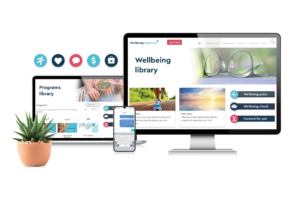
Register for Wellbeing Gateway. Your personalised mental health and wellbeing companion.