


Most of us are aware of R U OK Day, and what it represents, but it’s worth highlighting why it’s so important to look out for the wellbeing of others and engage in proactive conversations. You can make a real difference to someone’s outlook by showing them you care, through empathy and active listening — so it’s worth learning some techniques for starting conversations, and building confidence to check in on loved-ones, friends, or colleagues.
You don’t have to be an expert to show support for someone, but to make sure your interactions are positive and well-received, there are some factors to be aware of. So, to help navigate the best approaches we asked the experts; Kristen Orazi, clinical manager at Assure, and Nessie Srouji, an experienced counsellor at Assure.
It’s about connection, not just one day
When it comes to R U OK Day, Nessie emphasises main the idea behind it, is having the ability to let someone know you notice them, and to offer an invitation to connect. The question, ‘Are you OK’? is the way in, to build a genuine connection, to show you’re open to be a support.
It’s not about having all the answers
Being supportive of someone is helping them feel comfortable about sharing and listening to them with empathy. Just by doing this, you’re already helping them, so don’t feel any pressure to solve problems or find solutions. As Kristen notes, “Be the observer, not the fixer”.
How can we tell if someone needs support?
Everyone is different, but there are some common tells we can look out for:
- non-verbal cues — how they hold themselves, body language, eye contact
- changes in sleeping or eating habits
- reduced energy levels
- diminished self-care
- avoiding social situations
- becoming irritable, having trouble focusing
What if someone seems resistant to engage, but we still want to help?
Kristen suggests we trust our gut feelings, and if we suspect someone needs support, find a non-confrontational way to break the ice. You don’t have to immediately ask ‘Are you OK?’ — you can share a walk, or a coffee break, and gently steer the conversation when appropriate.
Share what you’ve noticed
If you have concerns, it can be helpful to be direct, in a supportive and caring way. For example, ‘I’ve noticed you’ve not been engaging as much as usual, is everything ok?’.
Be mindful of the language you use
When you’re engaging with someone who has opened up to you, be conscious of the words and phrases you choose.
- avoid comparisons; ‘Well at least you’re not…’ ‘Others have it worse’
- be mindful of potentially unhelpful platitudes; ‘Just think positively’
- don’t minimise their feelings; ‘Everyone gets a little depressed’
- remember everyone’s circumstances are unique, don’t generalise
Avoid ‘trauma dumping’
It might seem helpful to share personal anecdotes, but often excessive sharing, especially of traumatic events, can derail the conversation and switch the emphasis to you.
Know your boundaries
Listening to someone and ‘walking in their shoes’ as an act of empathy can have an impact on your mental health.
“When we do that, we trigger the same part of our central nervous system that releases the same stress hormones as the person going through it”.
Nessie suggests acknowledging how hard it is for them as a way of shifting the focus back to compassion and empathy.
Don’t promise to keep a secret
If you’re intuition is telling you the information is too massive to hold alone, encourage them to seek further support, like Lifeline, Health Direct, Wellbeing Gateway, or an EAP.
Normalise checking in
The more we all do it, the easier it becomes.
Something on your mind?
If you require counselling, coaching or support, our clinicians are available to help.
Call, chat or request an appointment online.
Looking for more resources?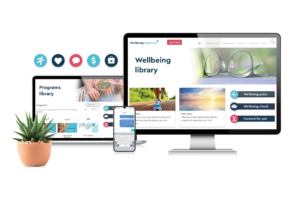
Register for Wellbeing Gateway. Your personalised mental health and wellbeing companion.